
Once Upon a Yesteryear
a poem

Aaron J. Lockard
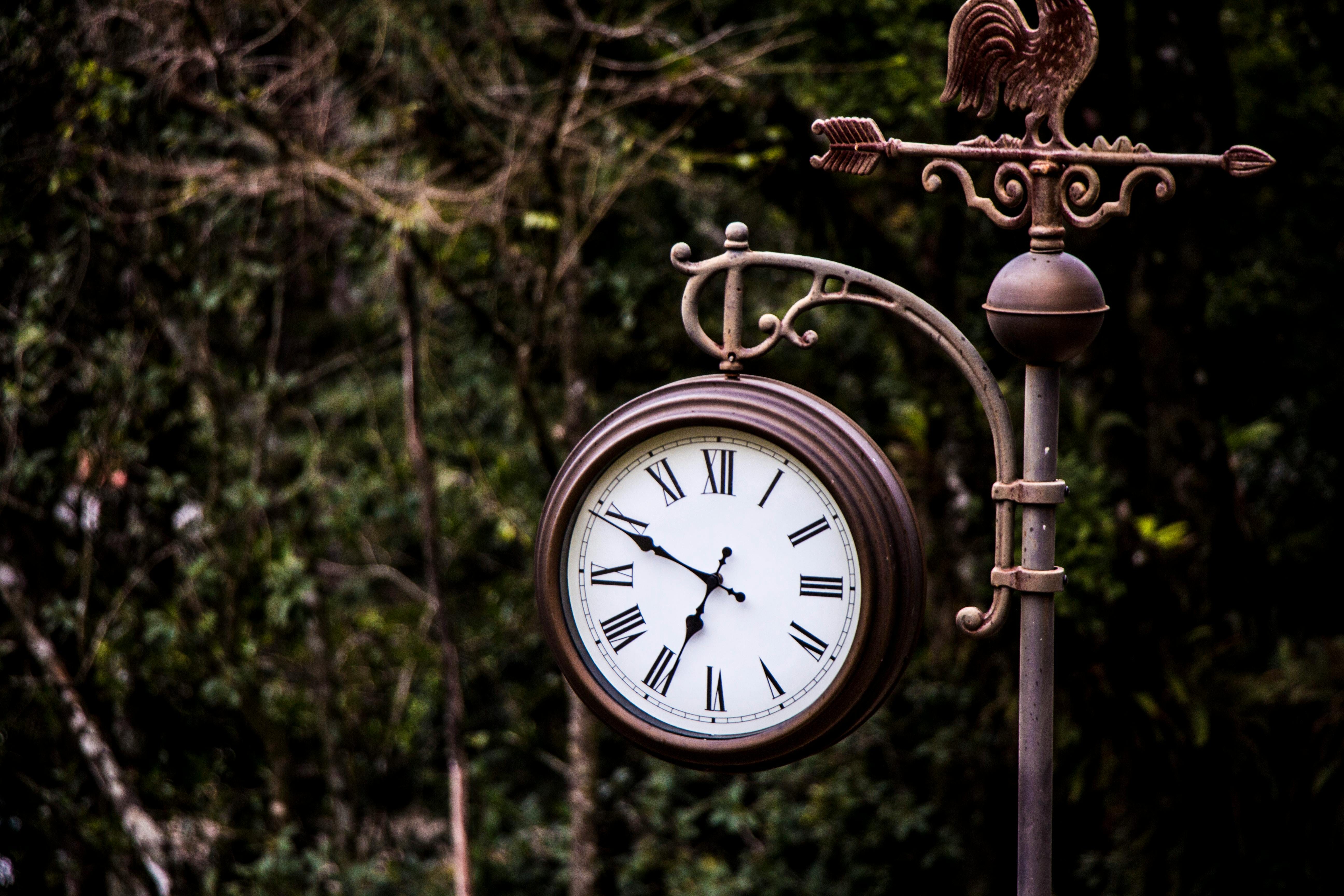
Hey guys! Hope you’re doing well, and happy belated Easter! We’re doing something a little different this month. Hannah Grace asked me to write a poem to change it up a bit, which I honestly think is a fun idea. I love writing poetry, and included a little explanation of the poem at the end. I hope you enjoy it!
Once upon a Yesteryear
Once upon a yesteryear
When the sky was bright
Once upon a yesteryear
When we felt nary a blight
Once upon a yesteryear
I wished those days had nary an end
Nor did the end of those days I fear
For my thoughts were young, and did not bend
Once upon a yesteryear my joy was complete
Because I thought not of the world and its things
Once upon a yesteryear, I walked the street
Unafraid of the other human beings
Grinning and waving at them as they passed me by
Innocent in my childlike naivety
That all were good, all concealed nary a lie
Then I grew and heard what many did say
I saw their foul actions
And said they were despicable
Yet I stood with inaction
And lived my life as predictable
Then a man said to me, “You are the same”
And I realized how great my sins
My pride broke and I fell
Yet I struggle still
A constant war within my heart
“Once upon a yesteryear,”
Thought I, “I was innocent and blissfully blind”
Once upon a yesteryear
Yet perhaps I am more blind than I now assert
I didn’t know then
And I may still be blinded now
Yet still I always think of when
It was once upon a yesteryear
“Once Upon a Yesteryear” Explained
Now that you’ve read my poem, I figured I’d explain it a tad. At first, it seems like another poem about being a kid, and how I feel about that time, as well as an expression of a general sense of nostalgia. But I really meant something much deeper. I think the first half or so of the poem is a good representation of how I tend to think of my time as a little kid, and how most of us idealize that time in our lives. I know I do. The truth is that we were simply innocent and blissfully ignorant. (Which I want to specify as two different things that aren’t necessarily bad.)
But it’s also an oversimplified story of my life. I grew to be prideful and found other people to be “despicable” because of their sin, yet I forgot or ignored my own. It took my pastor calling me out on it to open my eyes, even after several other people close to me had called me out on my pride. I’m still prideful more often than not, often very prideful, and it’s going to be a lifelong struggle. The poem wraps up with a simple, yet, I hope complex statement, that I hope raises questions like, Why do we think of yesteryear so much? Why do we idealize it?
This poem is meant to leave more questions than answers in your mind and heart and to remind you that life is very rarely as it seems. But I don’t want you to forget as you read and think about this poem that having a childlike spirit is a good thing.
As Matthew 18:1-4 (ESV) tells us,
At that time the disciples came to Jesus, saying, “Who is the greatest in the kingdom of heaven?” And calling to him a child, he put him in the midst of them and said, “Truly, I say to you, unless you turn and become like children, you will never enter the kingdom of heaven. Whoever humbles himself like this child is the greatest in the kingdom of heaven.
I think this is (at least in part) good because children have a spirit of humility, at least in most cases. But I assume Jesus has other reasons for directing us this way too. I wish I had more to say about this, but I seem to have suddenly run out of words. Hope you guys enjoyed the poem!